For a property owner evaluating a revenue-generating charging installation, site owners, charge point operators, drivers and electrical contractors need to identify what should be measured before the equipment is selected. That review should cover the location, demand and compliance assumptions, because the ultimate objective involves driver experience, site utilization, grid costs and reliable charging service. Large purchasing decisions often begin with a short list of components. Yet the durable result depends on how those components behave in their specific environment. A good plan links these practical questions to tests, documented responsibilities and realistic site conditions.
Documentation
Permits, commissioning results and supplier interfaces should be preserved for site operators. An independent operational check can show whether the plan reflects everyday use rather than an idealized demonstration.
Confirm grid capacity early
Transformer loading, connection lead times and demand charges can shape the project more than the number of parking bays. Engage the utility before committing to an unrealistic operating model.
Utilization model
Financial outcomes depend on actual sessions, energy delivered and occupancy by time of day. A clear design record helps distinguish a design limitation from a setting, installation or operating problem discovered later.
Give reliability a user perspective
A station is useful when a driver can locate it, initiate payment, connect and complete a session. Operators should track completed sessions and failure causes, not just electrical uptime.
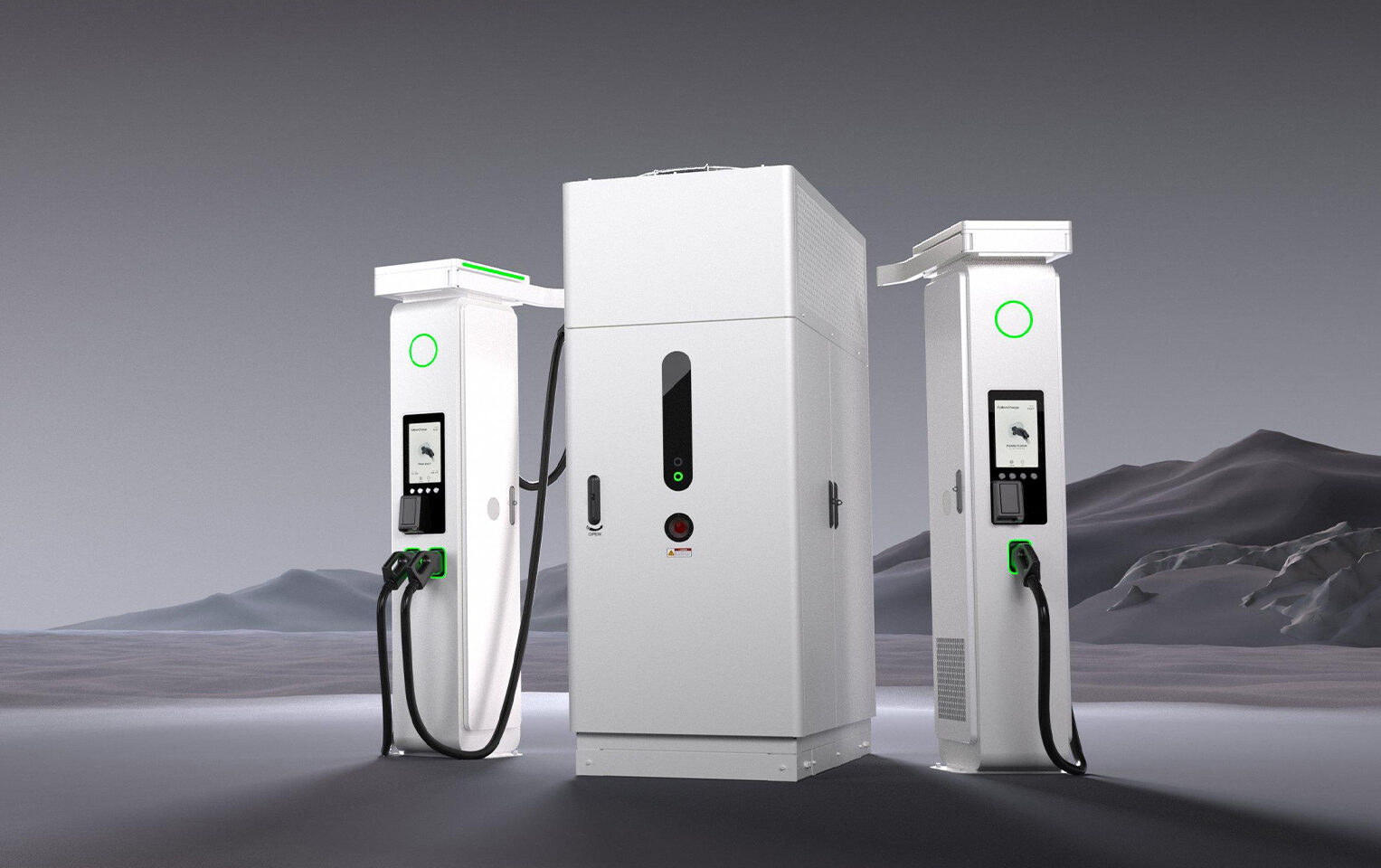
For a useful solution reference, examine commercial ev charging station alongside the project drawings and the documented operating requirements. A product page is a starting point for questions, not a substitute for site assessment.
Power sharing
Dynamic allocation may let multiple dispensers use the same connection more effectively. The owner can ask the designer to identify the measurement that would confirm this expectation after the system is commissioned.
Electrical survey
Transformer, switchgear and parking layout can limit feasible equipment and installation timing. An independent operational check can show whether the plan reflects everyday use rather than an idealized demonstration.
Expansion
Load growth should be planned with utility approvals and physical space in mind. The responsible team should keep evidence of the assumptions and explain which conditions would trigger a design review.
Teams can revisit commercial ev charging station during commissioning, checking the proposed capabilities against measured behavior and the final configuration.
Demand assessment
Expected dwell time and local vehicle traffic help determine useful charger capacities. Any related promise should be linked to a documented test method and to the operating conditions for which it applies.
For a commercial ev charging station, the decisive question is whether the specified functions can be supported by site evidence, safe procedures and an accountable operating model. Each requirement should be reviewed against the actual project, not assumed to apply everywhere.
Decisions worth documenting
A concise decision file can identify the adopted design, rejected alternatives, unresolved constraints and the tests needed before handover. This makes the project easier to review when its assumptions change.