

If your Honda Ridgeline power steering is making a noise while idling or when driving, it could be a power steering pump, belt, low fluid, or an easy o-ring fix.
Check your fluid level in the power steering reservoir and ensure there are no leaks in that area or the hose connections. It is also good to check the power steering belt. A worn belt can slip, affecting the fluid pressure created by the power steering pump.
If the power steering pump begins to fail, you may also notice some noise when turning the wheel. It will also cause an inconsistent level of fluid pressure. Eventually, fluid, a worn belt, or a bad pump will cause the power steering to stop working altogether, making steering difficult or impossible.
Power steering leakage can be visible around the reservoir, the hoses, or even on the ground. Intermittent power steering failure can occur due to low fluid, and the power steering pump can also begin to make a screeching or whining noise.
The whining noise in a power steering system is a known Honda problem. It’s caused by the introduction of air into the system by a leak. The air causes the return fluid to develop foamy air bubbles, which can be seen in the fluid reservoir. Once the air is in the pump, it creates a whining noise.
If you do not see any of those problems mentioned above, then it could be a simple o-ring replacement in the pump supply line.
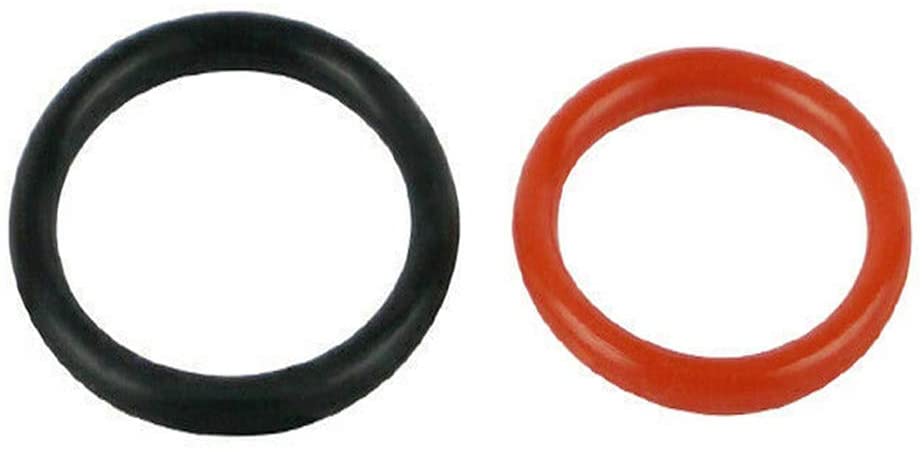
There are two o-rings that tend to flatten and lose the seal over time. In the video here, you can see the location of both and how to do the replacement. Some people only replace one of them, but while you are in the middle of it, you might as well replace both of them. During our installation, the Inlet Joint was made of plastic, so we also replaced that piece just in case it was worn or even cracked, and it was also causing air to enter the system.
Notable notes after watching the video:
- Remove and clean the power fluid reservoir. Disconnect the reservoir, saturate the screen with some brake or power steering fluid, and wipe or spray it out. If you can remove the majority of the junk in the filter, you can reuse the reservoir, if not, it might be a good idea to replace it.
- ONLY add genuine Honda power steering fluid.
- Check the hoses for any leaks.
- Replace both o-rings, and consider replacing the Inlet Joint while you’re doing it.
- Check for a worn belt. If your Honda has a lot of miles on the belt, you might as well replace it, too.
After you have installed everything, you will have to remove the air from the system. Start the engine and turn the steering wheel full left and then full rig

